
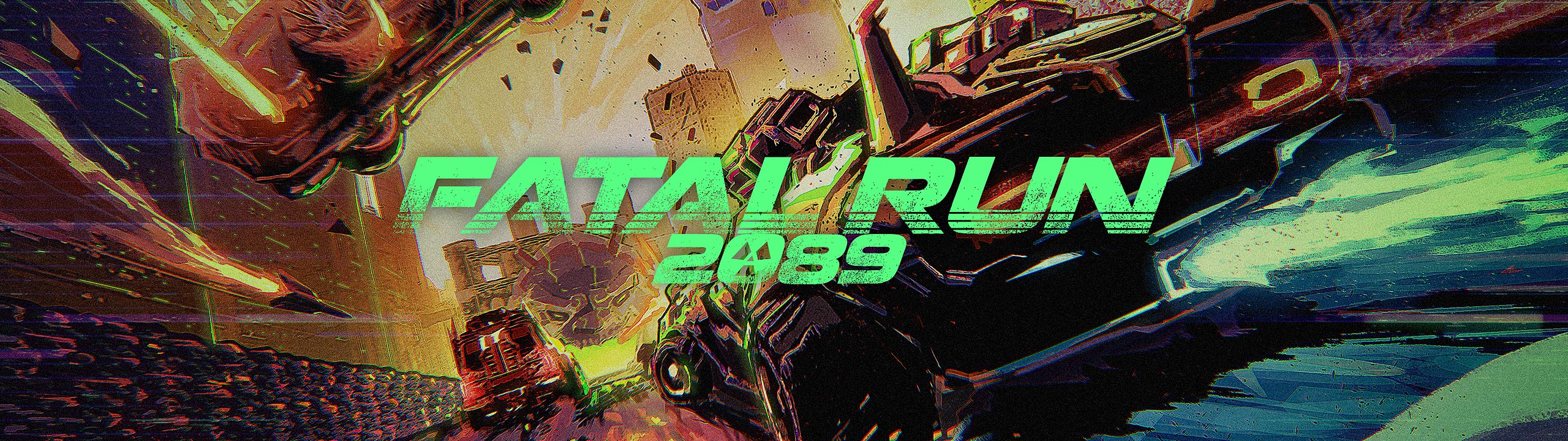
REIMAGINING AN ATARI CLASSIC FROM THE GROUND UP
From a one-week prototype to a complete multiplatform game, MNSTR Studio led the creative, technical and production development of Fatal Run 2089.
A CULT CLASSIC, REIMAGINED
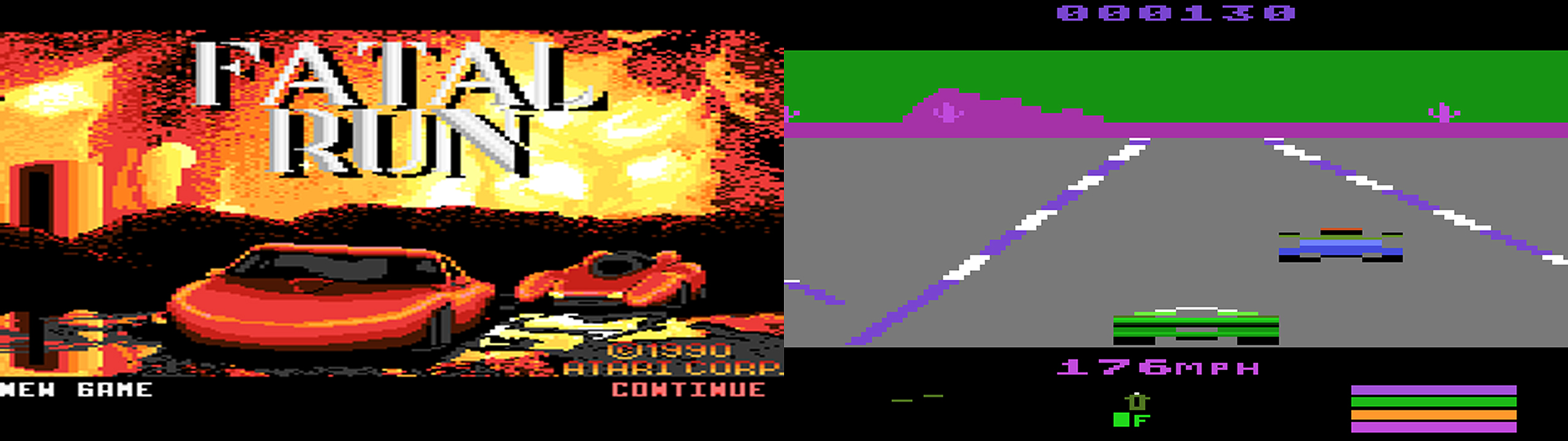
FROM AN OPEN OPPORTUNITY TO A PLAYABLE VISION
The project began without a conventional game brief. MNSTR was invited to explore titles from Atari’s catalog and identify an IP the studio could meaningfully bring back. Our team saw an immediate fit with Fatal Run. Previous internal work on an original post-apocalyptic racing concept had already given us experience with arcade driving, armed vehicles and the foundations of the experience we wanted to build.
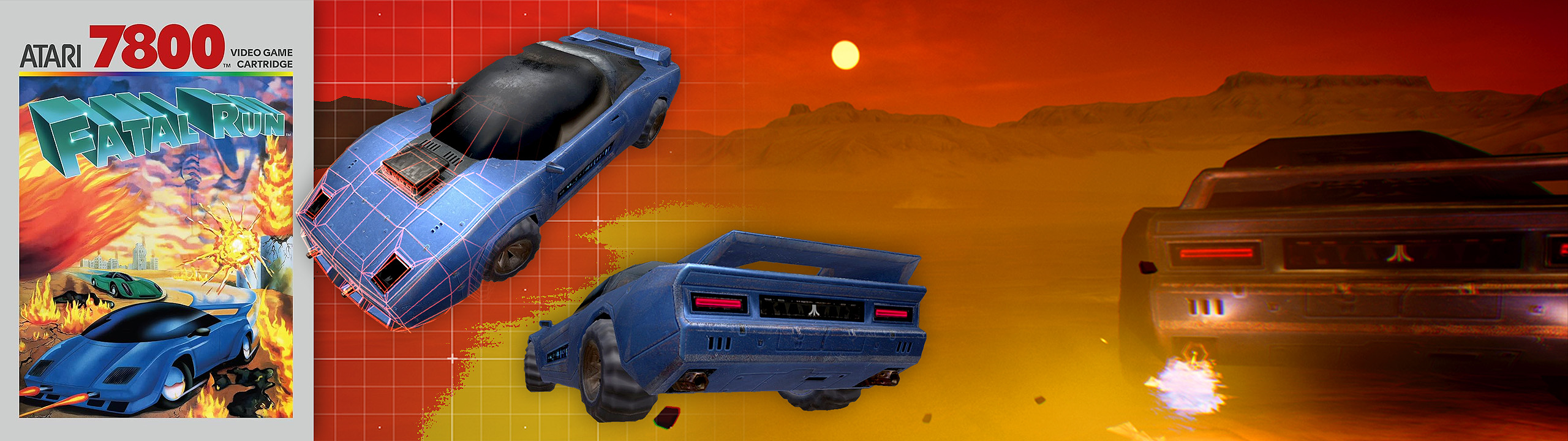
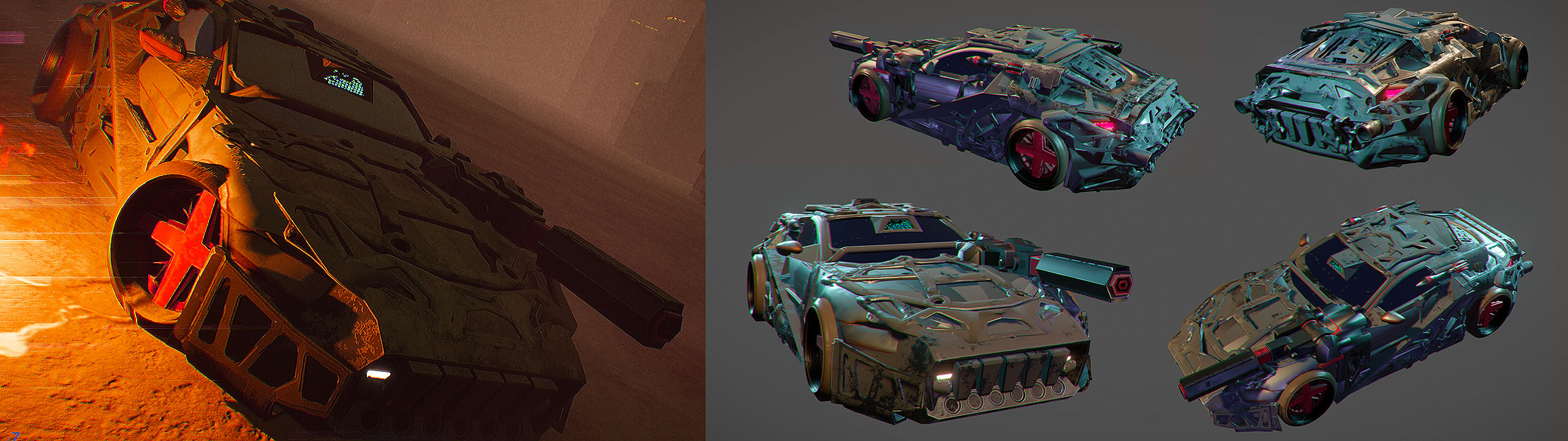
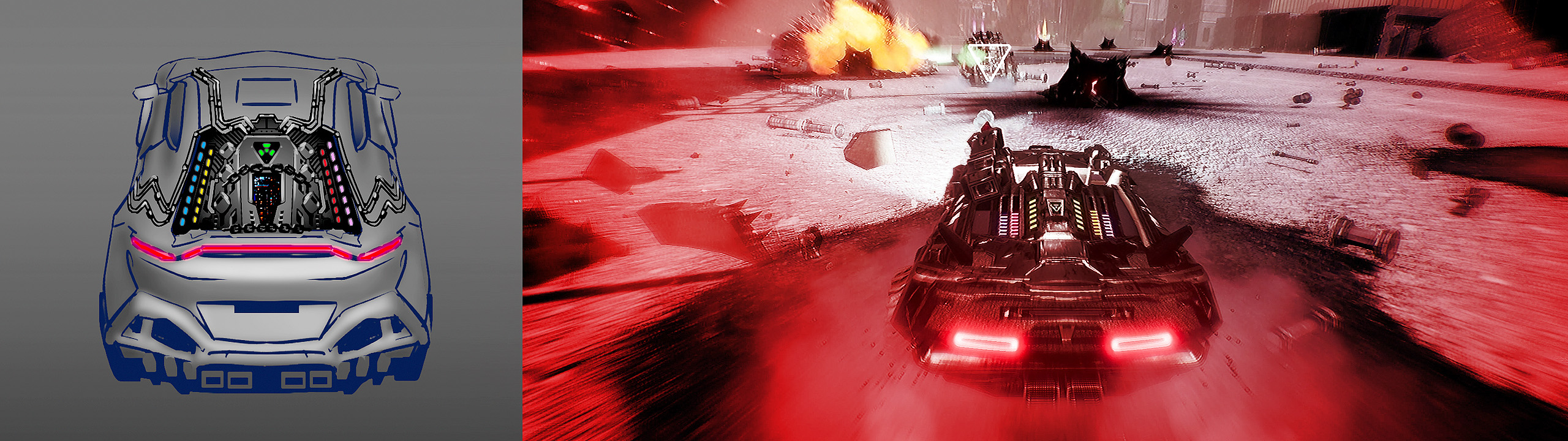
MNSTR developed a product proposal covering the game vision, creative direction and market positioning. We then turned that vision into a playable prototype in one week, combining an original 3D interpretation of the vehicle seen on the classic covers with a functional level, weapons and the driving feel at the heart of the concept.
The prototype established the tone, world and gameplay quickly enough for the idea to be experienced rather than merely explained. Following further development and licensing discussions, Atari greenlit Fatal Run 2089 for full production.
BUILDING A WORLD THROUGH RETROFUTURISM
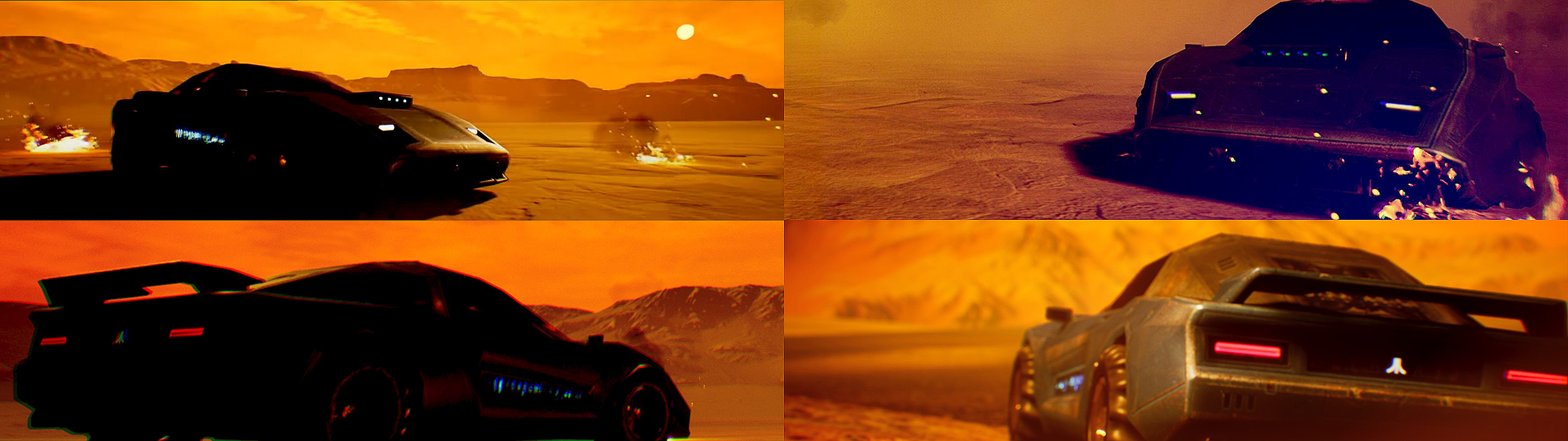
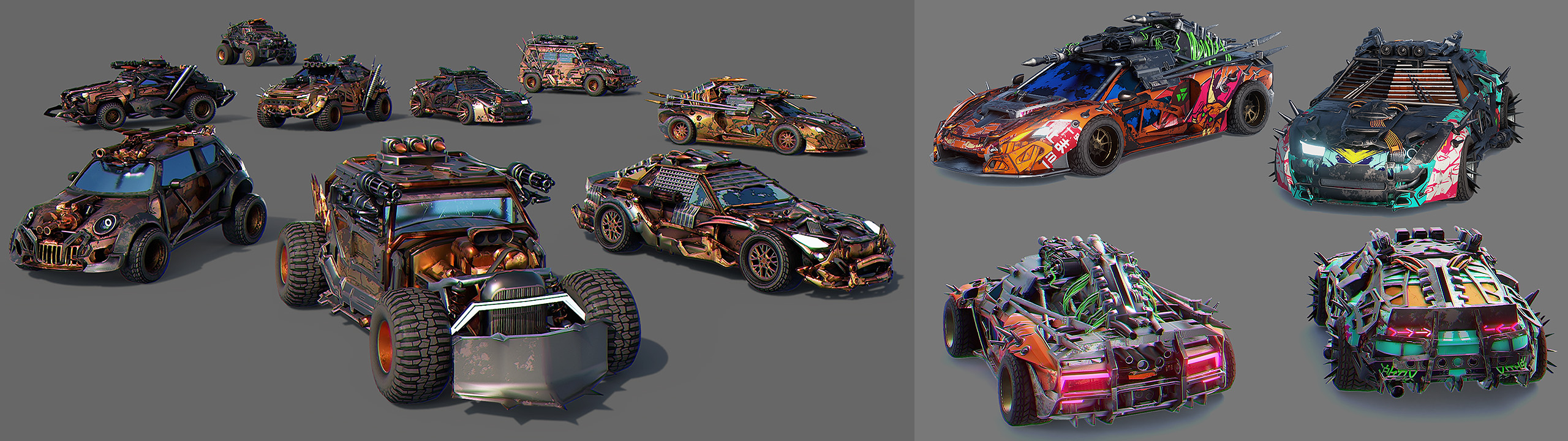
The creative direction began with a simple realization: retrofuturism was not just an aesthetic reference for the project. It was the project itself. Fatal Run 2089 was a future imagined in the past, now being rebuilt with modern technology. That idea became the connective tissue across the world, vehicles, characters, interface, gameplay and soundtrack.
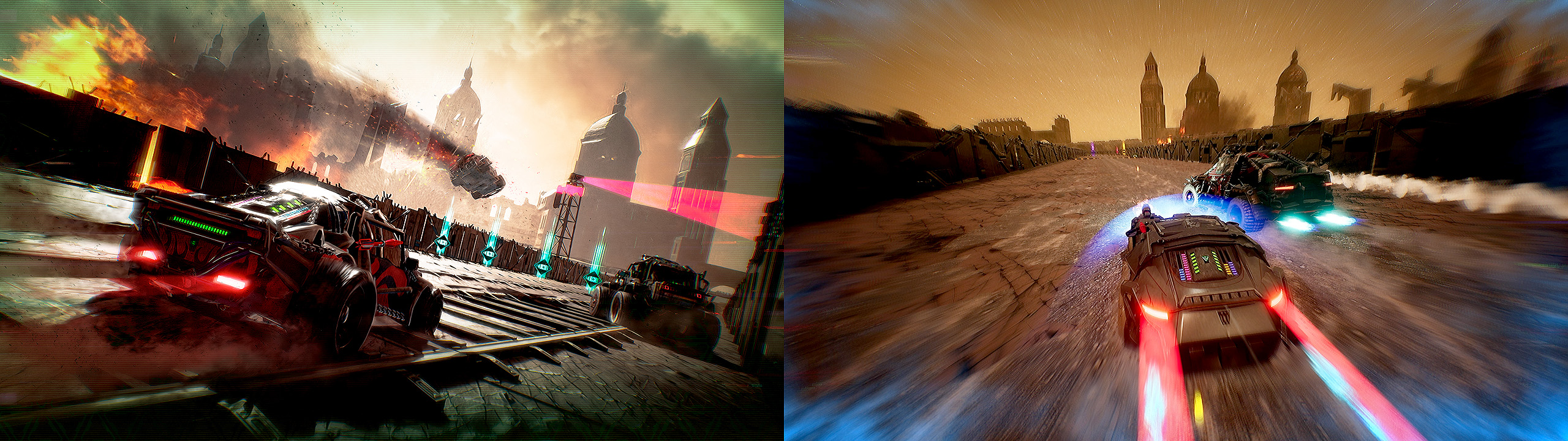
MNSTR created a new post-apocalyptic setting shaped by a comet impact that flooded the atmosphere with radiation. Familiar places and cultures were reinterpreted across four distinct global regions, grounding the world in recognizable memories while transforming it through the game’s crisis and visual language.
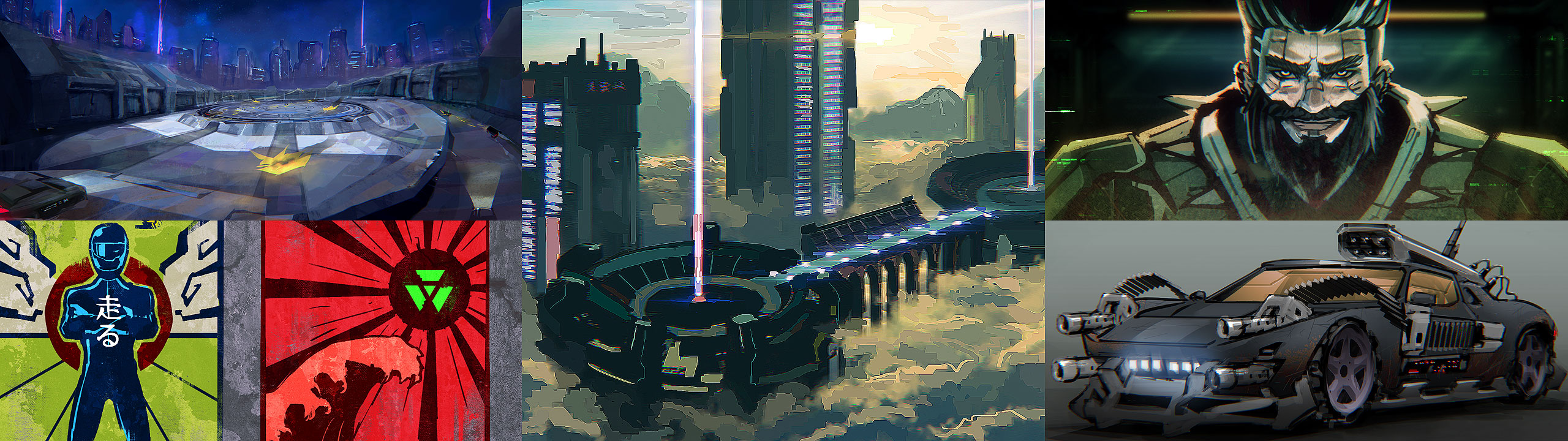
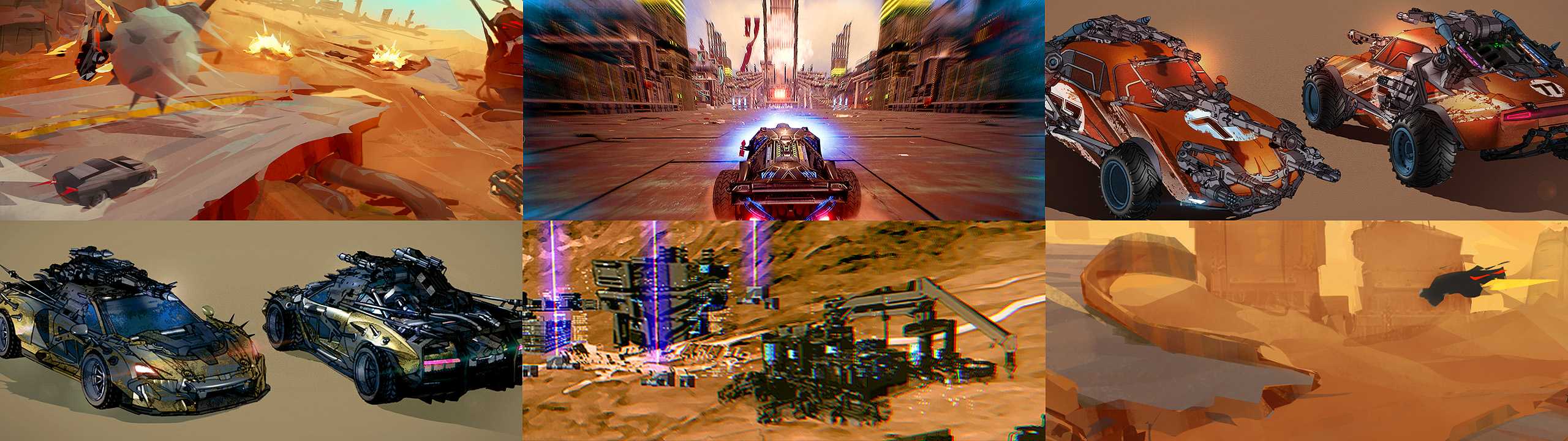
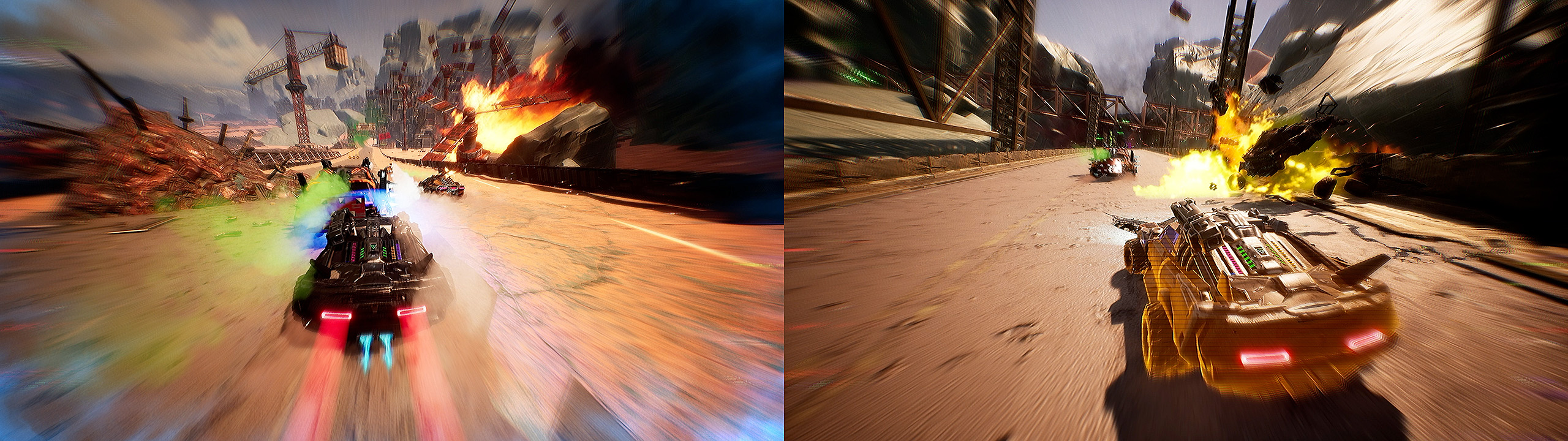
DESIGNING COMBAT AT FULL SPEED
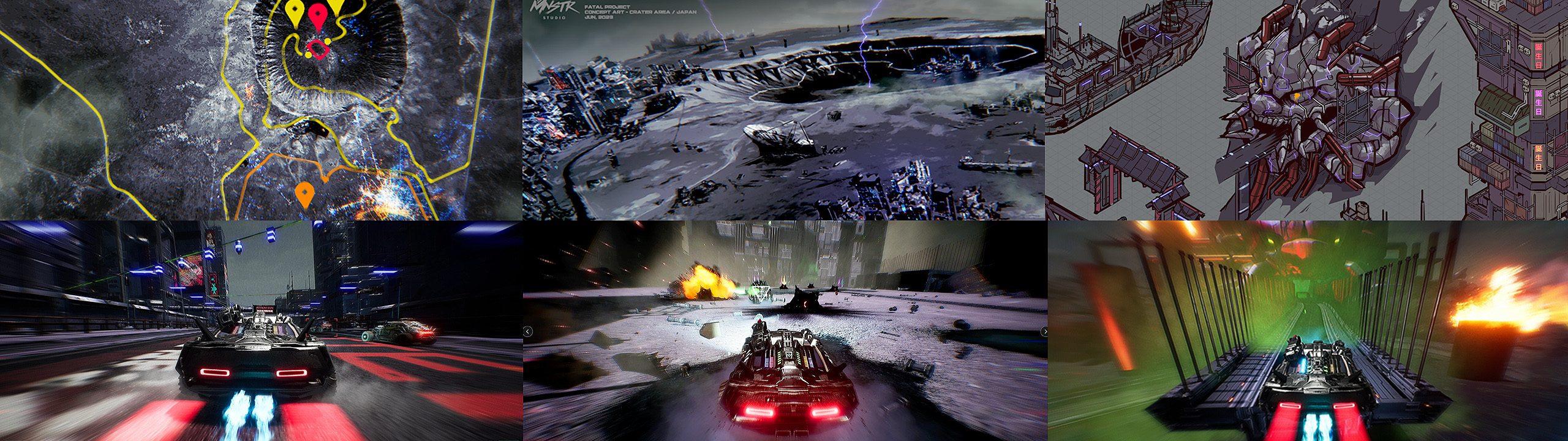
Tracks were designed around that speed. Their scale, width and topology needed to support racing lines, combat readability, alternate paths and environmental set pieces. Terrain foundations were developed from satellite data and heightmaps based on real-world locations, then reshaped around the demands of arcade gameplay.
MAKING THE ARC THE HEART OF THE GAME
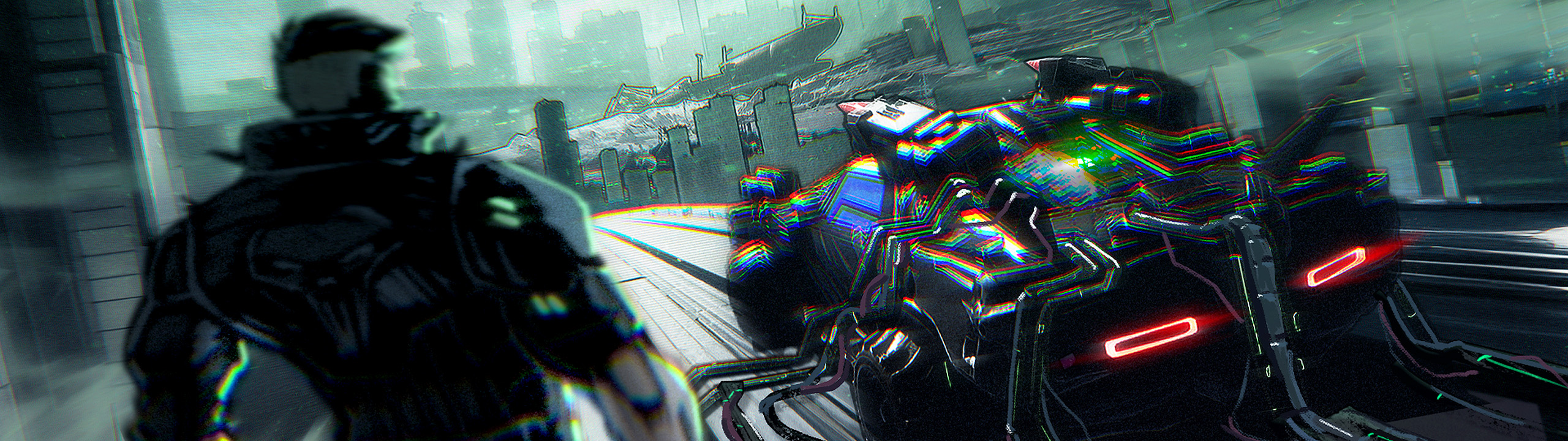
In Fatal Run 2089, the player carries a device capable of cleaning radiation from the atmosphere and must deliver it across the world. Hostile factions pursue the vehicle to stop the mission and seize control of the technology.
At the same time, the ARC functions as the game’s arcade clock. Its integrity decays continuously, while bold driving, near misses, jumps and enemy destruction restore it. If the player becomes too cautious, the mission slips away. The system pushes every part of the experience toward the same behavior: drive fast, take risks and fight aggressively.
MNSTR also reinterpreted the original game’s Power Surge as a devastating area attack that becomes available once its dedicated meter is fully charged.
This integration allowed one system to carry narrative meaning, urgency, reward and player expression at the same time.
FULL GAME DEVELOPMENT, END TO END.
Fatal Run 2089 required MNSTR to operate across the complete development pipeline:
Product Conception → Creative Direction → Game Design → Narrative → Art Direction → Concept Art → 3D → Level Design → UI/UX → Animation → VFX → Audio & Music → Engineering → Production → Platform Integration → Porting
Creative, art and technical production were organized as connected parts of the same system. Creative Direction kept narrative, environments, vehicles, characters, interface and audio aligned with the world and product vision. UI/UX connected the action to the broader player journey through game modes, menus, shops, progression and visual-novel sequences, integrating illustrated 2D characters into the 3D experience, while in-game radio communications connected the player with copilots, enemies and bosses during gameplay.Design and engineering translated the intended game feel into mechanics and production-ready systems. Producers connected teams, dependencies, implementation and milestones.
The project began with a core team of eight, expanded to around twelve during the first month and scaled to approximately twenty specialists at peak production. This allowed MNSTR to add the disciplines required by the game while preserving a clear creative and production structure.
The transition from the Unreal Engine 4 prototype to production in Unreal Engine 5 required the team to adapt its driving foundation and build dedicated systems for combat, progression and other core demands. Internal debugging, balancing and calibration tools allowed Game Design and Engineering to iterate directly as the full game came together.
The result is a complete arcade combat experience spanning 20 levels across four global regions, four larger-than-life bosses, seven playable vehicles, four copilots and more than 45 enhancements capable of changing weapons, vehicle performance and playstyle.
TAKING THE EXPERIENCE MULTIPLATFORM

FROM DEVELOPMENT TO PLAYERS
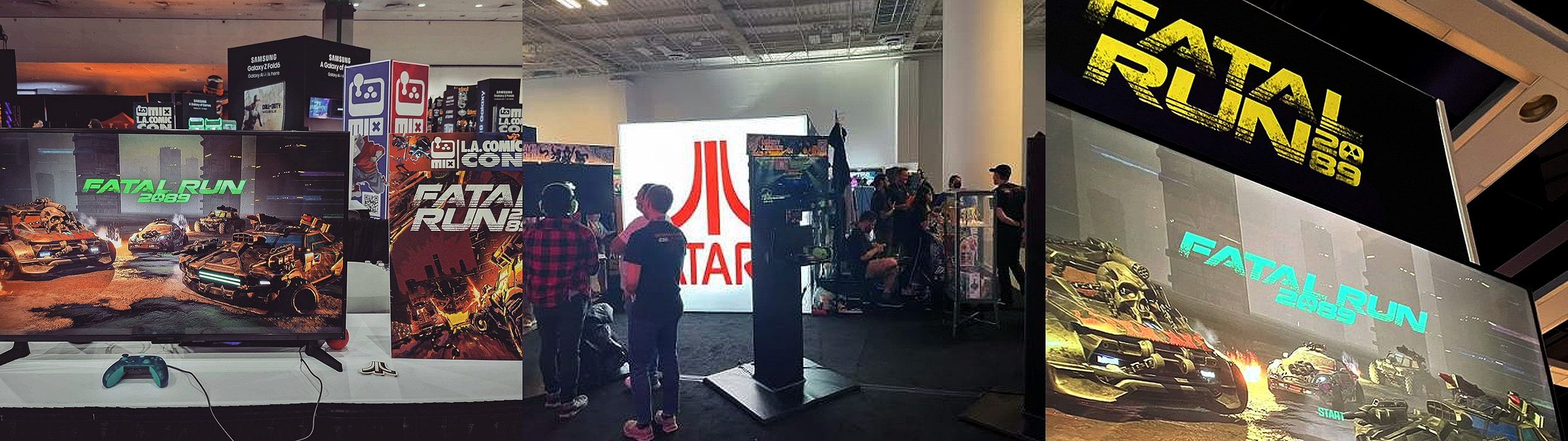
Game: Fatal Run 2089
Developer: MNSTR Studio
Publisher: Atari
Engine: Unreal Engine 5
Genre: Arcade Racing / Vehicular Combat
Status: Coming Soon
MNSTR Studio: Product Conception, Creative Direction, Game Design, Narrative, Art Direction, Concept Art, 3D Art, Level Design, UI/UX, Animation, VFX, Audio, Original Music, Engineering, Production, Platform Integration and Porting.
Additional support: External QA, localization and voice production partners contracted by Atari.